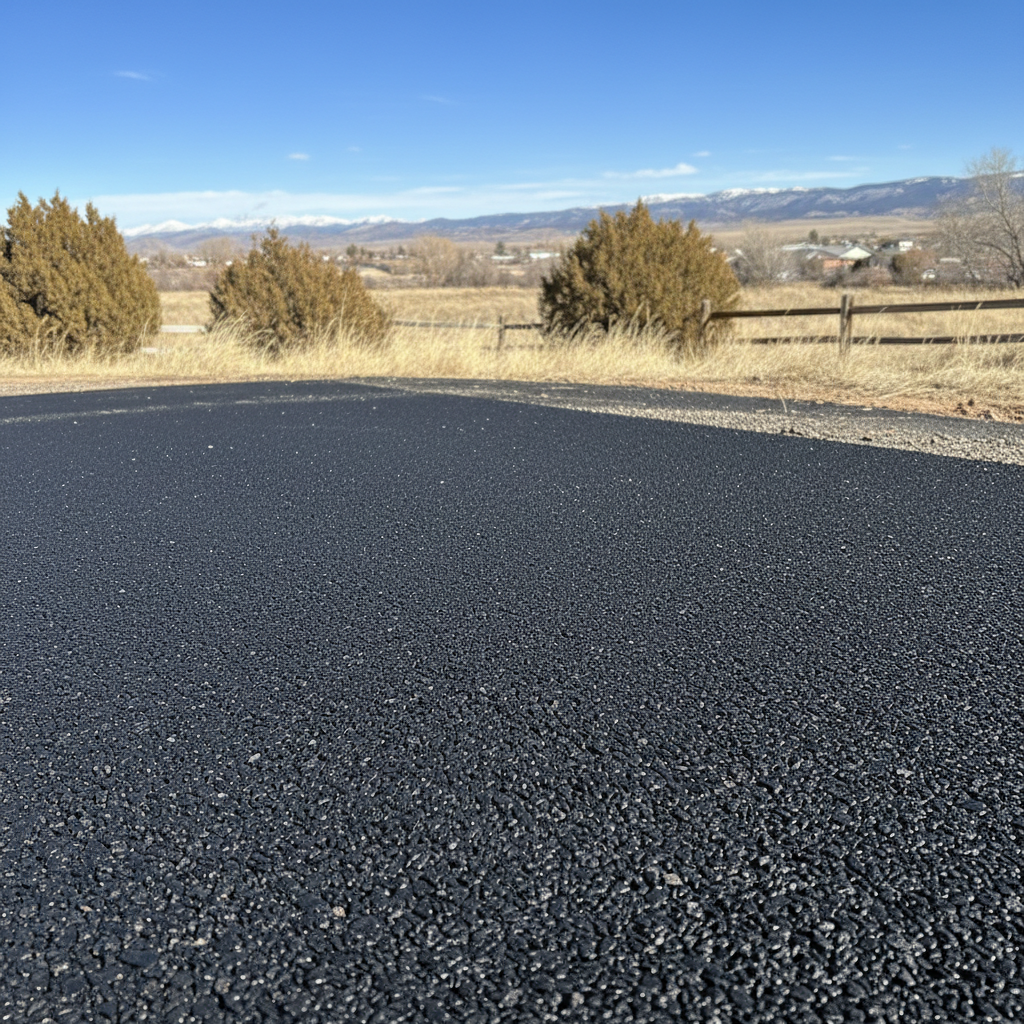
Alright, let's talk about asphalt patching. It's one of those things folks don't think about much until they hit a pothole or see a crack spreading across their driveway. As a local contractor, I get a lot of the same questions from homeowners right here in Lafayette. So, I figured I'd lay it all out for you, no nonsense.
What's the difference between patching and repaving?
This is probably the most common question I hear. Think of it like this: patching is fixing a specific problem area, like a pothole or a section of alligator cracking. We cut out the bad part, clean it up, and fill it with new asphalt. It's a targeted repair. Repaving, on the other hand, is usually a bigger job. That's when we're either putting a new layer of asphalt over your existing, still-solid pavement (an overlay) or completely removing the old stuff down to the base and laying down all new asphalt (a full-depth replacement). You patch when you have isolated damage; you repave when the whole surface is showing significant wear and tear, or the underlying structure is failing.
When is the best time of year to get patching done in Lafayette?
Here in Colorado, our weather can be a bit… dramatic, right? For asphalt patching, you really want to aim for warmer, drier months. Spring, summer, and early fall are ideal. The asphalt needs to be warm enough to be pliable and bond properly, and you need dry conditions for the materials to cure correctly. Trying to patch in freezing temperatures or when it's constantly wet just isn't going to give you a long-lasting repair. The ground needs to be stable too, which can be tricky after a big snowmelt when the clay soils around areas like Old Town Lafayette are saturated.
How long does an asphalt patch usually last?
This isn't a simple answer, because it depends on a few things. First, the quality of the patch itself – how well it was prepared, what materials were used, and the skill of the crew. Second, the condition of the surrounding pavement. If the rest of your driveway is falling apart, that patch is going to be stressed and might fail sooner. Third, traffic. A patch on a rarely used side path will last longer than one in a high-traffic area. Generally, a well-done patch can last anywhere from 3 to 7 years, sometimes even longer if the underlying issues were addressed and the surrounding pavement is in decent shape. It's not meant to last as long as a brand new driveway, but it buys you time.
Can I just do a DIY patch with stuff from the hardware store?
Look, I'm all for homeowners tackling projects, but for anything beyond a tiny, temporary fix, I'd strongly advise against it. Those cold patch products from the hardware store are okay for a quick, temporary fill to stop a pothole from getting worse, especially in an emergency. But they're not designed for long-term structural repair. They don't compact or bond like hot asphalt, and they'll usually break down pretty quickly, especially with our freeze-thaw cycles. For a durable repair that actually lasts, you need professional-grade hot asphalt, proper compaction equipment, and the know-how to prepare the area correctly. You'll end up spending more in the long run fixing a bad DIY job.
What causes potholes and cracks in the first place?
Mostly, it's water and our crazy Colorado weather. Water gets into tiny cracks, and when it freezes, it expands, pushing the asphalt apart. Then it thaws, leaving a void. Traffic drives over that weakened spot, and boom, you've got a pothole. UV rays from the sun also degrade the asphalt binder over time, making it brittle and more prone to cracking. Poor drainage is a huge culprit too. If water sits on your pavement, it's going to find its way in. And sometimes, it's just the natural aging of the asphalt. It doesn't last forever, no matter how well it was installed.
When is it too late for patching, and I need to consider repaving?
That's a good question, and one I help folks with all the time. If your driveway has widespread alligator cracking (looks like alligator skin), if you have multiple deep potholes, or if the cracks are so extensive that more than 25-30% of the surface needs patching, then you're probably past the point where patching is cost-effective. You'd be throwing good money after bad. Also, if you see significant dips or humps, that usually means the base layer underneath is failing, and patching the surface won't fix that structural issue. That's when we start talking about a full-depth replacement or at least a substantial overlay. Give Heritage Asphalt Co. a call, and we can come out and give you an honest assessment.
How can I make my asphalt patches last longer?
Once you've got a good patch, or even a new driveway, maintenance is key. Keep it clean – sweep off debris, dirt, and leaves. Don't let oil or gas spills sit on it; clean them up quickly because they break down the asphalt. Get any new cracks sealed promptly, even small ones. This is your best defense against water getting in. And consider sealcoating every few years. It protects the surface from UV rays and water penetration, extending the life of your pavement, patches and all. It's like sunscreen for your driveway.
Hopefully, that clears up some of the common questions you might have about asphalt patching. It's all about making smart, informed decisions to keep your property looking good and functioning safely. If you've got a spot that needs looking at, don't hesitate to reach out. We're here to help.