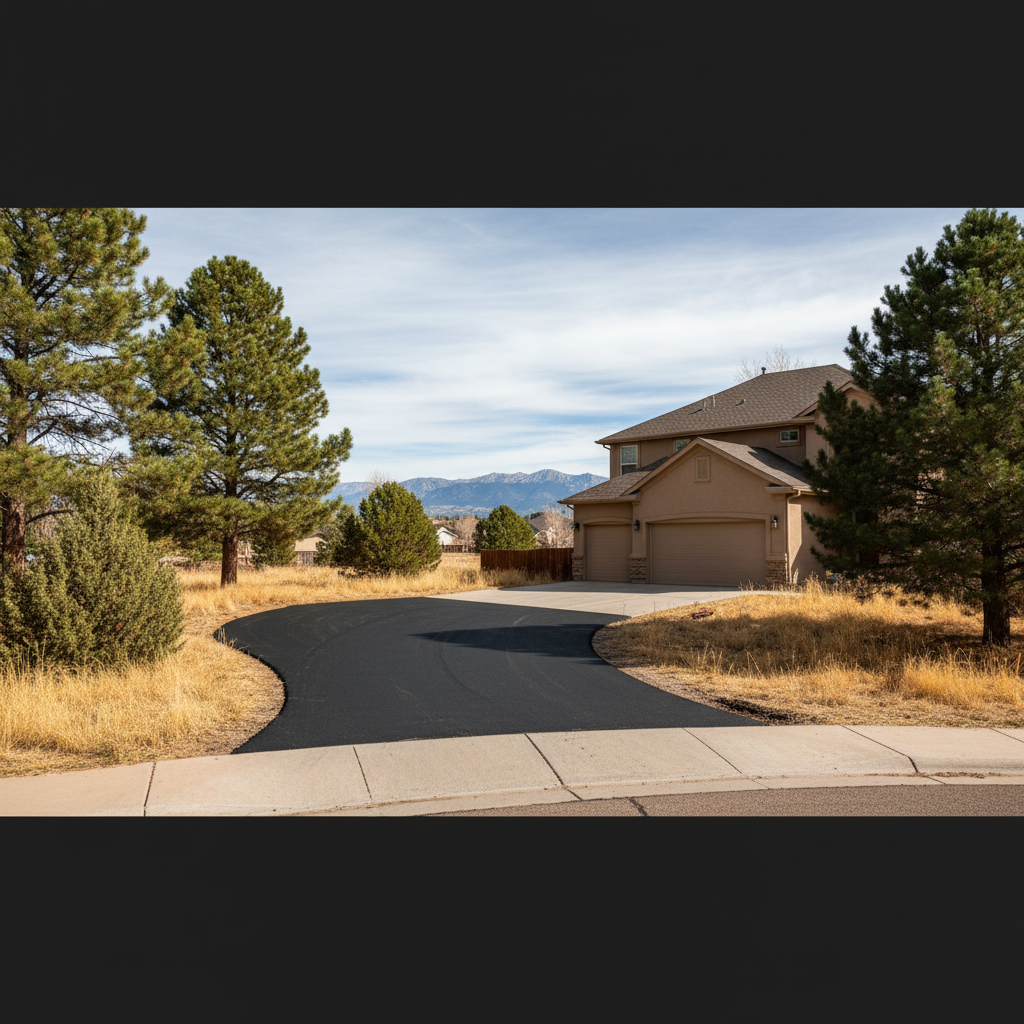
So, you've got cracks, potholes, or maybe some alligatoring on your asphalt. It's not just an eyesore; it can be a real hazard and if you don't take care of it, it's only going to get worse. You're thinking about getting it fixed, which is smart. But what does that actually look like? Let's break down what you need to know to plan your asphalt repair project right here in Lafayette.
When's the Best Time for Asphalt Repair?
Timing is pretty crucial for asphalt work. Here in Colorado, we've got some pretty wild temperature swings, and that affects how asphalt behaves. Generally, you want to aim for warmer, dry weather. Spring, summer, and early fall are your best bets. The ground needs to be thawed, and the air temperature needs to be consistently above 50 degrees Fahrenheit, ideally higher, for the asphalt to cure properly. Trying to do repairs when it's too cold or wet means the material won't bind right, and you'll end up with a repair that doesn't last. Nobody wants that. So, if you're seeing issues in November, plan to get bids and schedule for the following spring.
What to Expect During the Repair Process
Once you've got a contractor lined up, what actually happens? It's not usually a super long, drawn-out process for repairs, but it does depend on the scope. For smaller repairs like crack filling or patching, it might just be a few hours. For larger sections that need to be removed and replaced, it could be a day or two.
- Assessment and Prep: The crew will first assess the area, mark out what needs fixing, and clean it thoroughly. This means sweeping, blowing out debris, and sometimes even routing out cracks to get a clean surface for the filler.
- Material Application: Depending on the repair, they'll apply hot crack filler, cold patch, or cut out damaged sections and fill them with new hot asphalt mix. For patches, they'll compact the new asphalt down to match the surrounding surface.
- Curing Time: This is important. You'll need to stay off the repaired area for a bit. Crack fills usually cure pretty fast, but new asphalt patches might need 24-48 hours before you can drive on them, especially if it's a deep patch. Your contractor will give you specific instructions.
We always make sure to communicate these steps clearly at Heritage Asphalt Co, so you're never left wondering what's happening on your property.
How to Prepare Your Property for the Crew
Getting your property ready isn't a huge lift, but it makes a difference for the crew and helps the project go smoothly. Here's a quick checklist:
- Clear the Area: Move any vehicles, trailers, trash cans, planters, or anything else off the asphalt surface and out of the immediate work zone. This includes the edges where they might need to work.
- Access: Make sure the crew has clear access to the work area. If you have any gates, make sure they're unlocked or provide access instructions.
- Pets and Kids: For safety, keep pets and children away from the work area. Asphalt equipment is heavy, and hot asphalt is, well, hot.
- Sprinklers: If you have sprinkler heads near the edge of your driveway or the repair area, point them away or mark them clearly so they don't get damaged.
- Communication: If you have any specific concerns or things you want the crew to be aware of – maybe a delicate flower bed nearby or a tricky turn – point it out to the foreman when they arrive.
Key Questions to Ask Before Signing a Contract
Don't just jump at the first quote. You're investing in your property, so do your homework. Here are some questions I'd recommend asking any contractor you're considering:
- What specific repair methods do you recommend for my issues, and why? A good contractor will explain their approach.
- Can you provide a detailed, written estimate that breaks down costs? This helps you understand what you're paying for.
- Are you licensed and insured? Can I see proof? This is non-negotiable. Protect yourself from liability.
- Do you offer any warranty on your work? What does it cover and for how long? A reputable company stands behind their work.
- How long do you expect the project to take, and what's the estimated start date? Get a clear timeline.
- What kind of preparation do you do before applying materials? Proper prep is key to a lasting repair.
- What are the payment terms? Understand when payments are due.
- Can you provide references from other homeowners in the Lafayette area? Hearing from local folks who've worked with them is always a good sign.
Asking these questions upfront saves you headaches down the road. You want to feel confident in the contractor you choose. Getting your asphalt repaired isn't just about making it look good; it's about protecting your investment and making your property safer. Take your time, ask the right questions, and you'll end up with a repair that lasts.