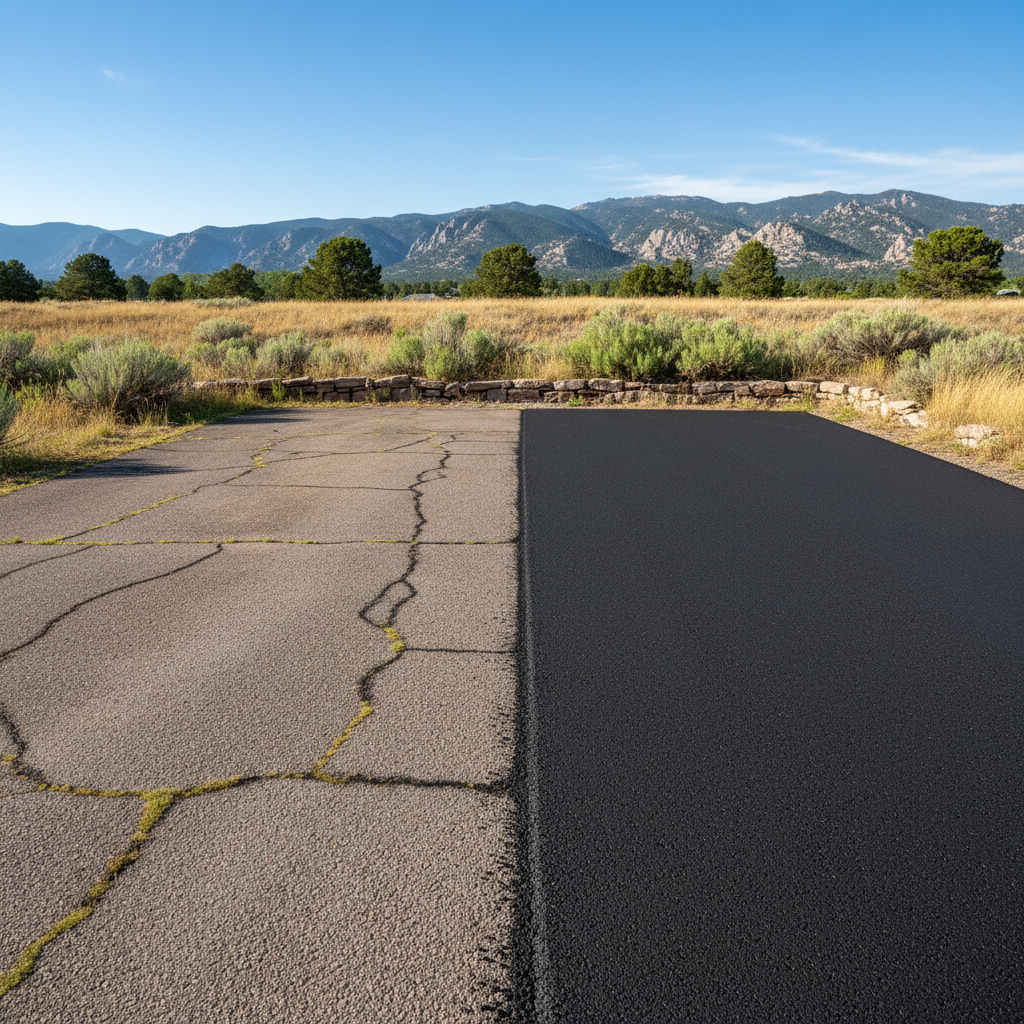
Alright, let's talk parking lots and driveways. If you're a homeowner or running a small business here in Lafayette, you've probably thought about what kind of surface you want. It usually comes down to two main players: asphalt or concrete. Both have their place, but they're definitely not interchangeable, especially with our Colorado weather.
Cost: Upfront vs. Long-Term
When you're first looking at options, concrete almost always looks like the more expensive choice upfront. And it is. Pouring a concrete slab is a more involved process, and the materials themselves can cost more per square foot than asphalt. Think about it like this: you're getting a really solid, rigid structure right from the start.
Asphalt, on the other hand, usually has a lower initial price tag. It's quicker to install, and the materials are generally less expensive. This is why you see it on most roads and larger parking areas – it's efficient for big jobs. But that lower initial cost doesn't tell the whole story, and that's where durability and maintenance come in.
Durability: Standing Up to Colorado Winters
This is where things get interesting for us in Lafayette. Our freeze-thaw cycles are brutal on any paving material. We get those warm sunny days, then a cold night, then snow, then melt, then freeze again. It's a constant battle for your pavement.
Concrete is incredibly durable. It's tough, can handle heavy loads, and resists a lot of the wear and tear from our weather. It doesn't soften in the summer heat like asphalt can, and it holds up well against de-icing salts, which is a big deal when you're trying to keep your property safe in the winter. The biggest issue you'll see with concrete over time is cracking, especially if the sub-base isn't prepared correctly or if water gets underneath and freezes. But those cracks are often localized and can be repaired.
Asphalt is more flexible. That's a good thing in some ways; it can flex a bit with ground movement, which can prevent some types of cracking. However, that flexibility also means it's more susceptible to damage from heavy loads, especially in hot weather. You'll see ruts and depressions form if heavy vehicles are constantly parking on it. Our intense UV rays also break down the binders in asphalt, making it brittle over time. And those freeze-thaw cycles? They'll cause asphalt to crack and pothole if water gets into those small cracks and expands. You know how some of those older driveways in the Old Town neighborhood look after a few decades? Often, it's asphalt that's seen better days, showing significant cracking and crumbling.
Maintenance: What You'll Be Doing Down the Road
This is probably the biggest difference in the long run.
- Concrete: Generally, concrete is pretty low maintenance. You'll want to seal it every few years to protect it from stains and moisture, but beyond that, it's mostly about keeping it clean. If you get a crack, you can fill it, or if it's a bigger issue, a section can be cut out and replaced.
- Asphalt: Asphalt needs more regular attention. You should plan on sealcoating your asphalt surface every 2-3 years. This isn't just for looks; it protects the asphalt from UV damage, water penetration, and oxidation. It keeps it looking fresh and extends its life. You'll also need to be proactive about crack filling. Small cracks can turn into big potholes fast if you let water get in there and freeze. If you keep up with the maintenance, an asphalt surface can last a good 15-20 years, sometimes more. If you neglect it, you'll be looking at a full replacement much sooner.
Appearance: What Look Are You Going For?
This one's pretty straightforward.
- Concrete: Gives you a clean, bright, and often more formal look. You can even get it stamped or colored to mimic other materials like stone or brick, which can really boost your curb appeal.
- Asphalt: Has that classic dark, sleek look. It's uniform and can look very sharp when it's freshly sealcoated. It's a more traditional choice for parking areas.
My Recommendation for Lafayette Homeowners
Look, I've been doing this for a long time here at Heritage Asphalt Co, and I've seen it all. For most homeowners in Lafayette, especially those looking for a long-term solution with less hands-on maintenance, concrete is often the better investment for a driveway or small parking area.
Yes, the upfront cost is higher. But its superior durability against our harsh freeze-thaw cycles, resistance to de-icing salts, and lower long-term maintenance requirements often make it more cost-effective over its lifespan. You'll spend less time and money patching and sealcoating, and you'll have a surface that stands up better to our climate.
Now, if you're paving a really large area, or if your budget is strictly limited upfront, asphalt is still a perfectly viable option. Just be prepared to commit to that regular sealcoating and crack filling schedule. It's not a set-it-and-forget-it material like concrete can be.
Ultimately, the best choice depends on your specific needs, budget, and how much maintenance you're willing to take on. Give us a call at Heritage Asphalt Co, and we can come out, take a look at your property, and talk through what makes the most sense for you. We'll give you an honest assessment, no pressure.