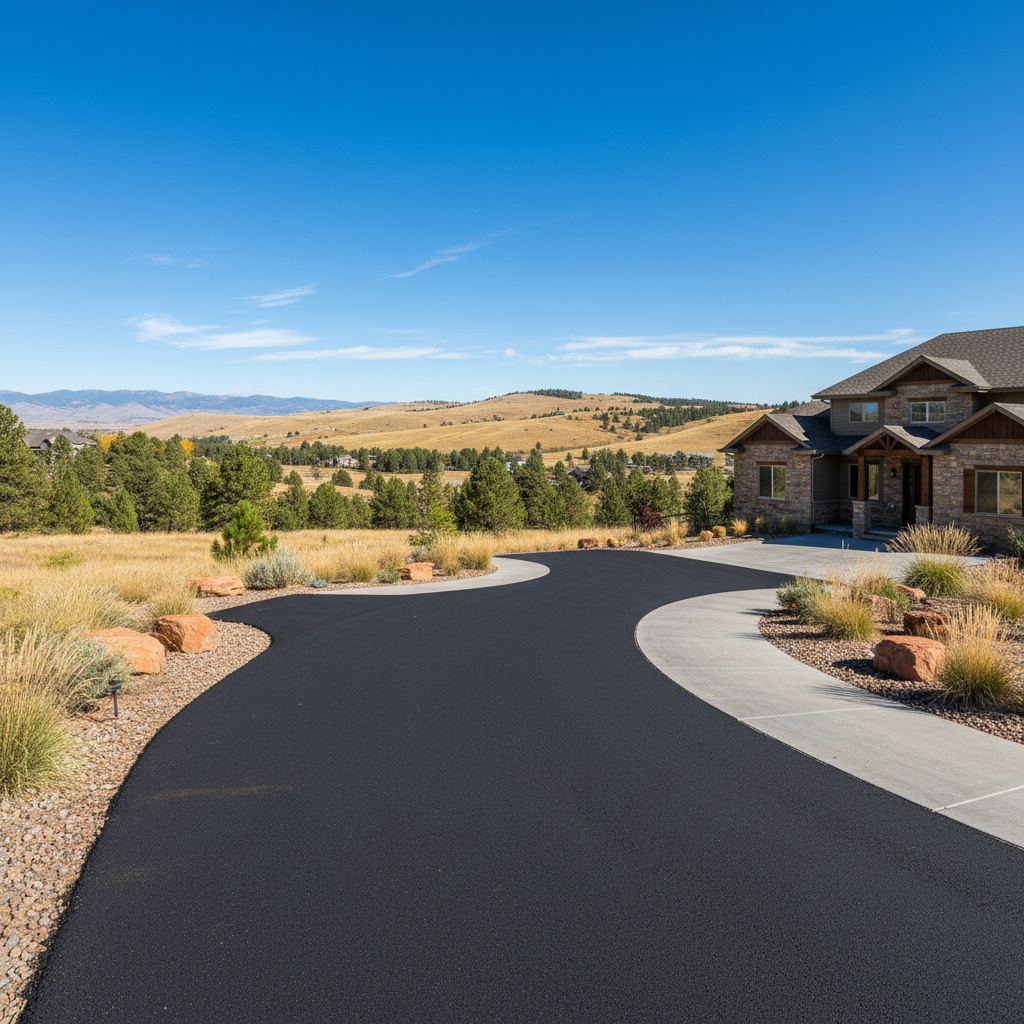
So, you've got cracks, potholes, or just some general wear and tear on your asphalt driveway here in Lafayette. You're thinking it's time to get it fixed up. That's a smart move. Letting small issues go can turn into big, expensive problems pretty fast, especially with our freeze-thaw cycles around here. But before you pick up the phone and call the first company you see, let's talk about how to plan this thing right. It's not just about getting a quote; it's about getting a good job that lasts.
Understanding the Project Timeline
People often ask me, "How long is this going to take?" and the answer isn't always simple, but I can give you a good idea. From your first call to the finished product, here's what you can generally expect:
- Initial Contact & Quote: This usually happens within a few days to a week. A good contractor will want to come out, look at your specific situation – whether it's a small patch job or a larger section of your driveway – and give you an accurate estimate. Don't expect a solid price over the phone.
- Scheduling the Work: Once you've approved the quote, you'll get on the schedule. This can vary a lot depending on the season and how busy the company is. Spring and fall are usually the busiest times for asphalt work in Colorado. You might be looking at a few weeks out, maybe even a month or more during peak times. A reputable company like Heritage Asphalt Co will be upfront about their availability.
- The Work Itself: For most residential asphalt repair projects – think patching, crack filling, or even a small cut-and-replace section – the actual work might only take a day, sometimes two for bigger jobs. A lot depends on the scope and the weather. We can't lay asphalt in the rain or freezing temperatures, for example.
- Curing Time: This is important, and often overlooked. After the work is done, you can't just drive on it immediately. New asphalt needs time to cure and harden. We'll give you specific instructions, but generally, plan on staying off it for at least 24-48 hours, sometimes longer for heavy vehicles or specific types of repairs.
What to Expect During the Process
When the crew shows up, it's going to be a bit of an operation. We're not just showing up with a bucket and a trowel. Here's a quick rundown:
- Noise and Equipment: We'll have trucks, possibly a skid steer, saws for cutting out old asphalt, and compaction equipment. It's going to be noisy for a bit. Your neighbors might notice.
- Restricted Access: For the safety of our crew and to protect your new repair, we'll need to block off the work area. This means you won't be able to use your driveway for a period. Plan ahead for parking your car on the street or with a neighbor if needed.
- Dust and Debris: Cutting and removing old asphalt creates dust and debris. We do our best to keep things tidy, but expect some mess. We'll clean up thoroughly when we're done.
- Professional Crew: You should expect a crew that knows what they're doing, works efficiently, and is respectful of your property. If you see anything that concerns you, speak up.
How to Prepare Your Property
A little prep work from your end can make things go a lot smoother for everyone:
- Clear the Area: Move anything off your driveway or the work area that you don't want to get dirty or in the way. This includes cars, bikes, trash cans, planters, toys, or anything else.
- Trim Overhanging Branches: If you have low-hanging tree branches that might interfere with tall equipment, give them a trim.
- Mark Sprinkler Heads/Invisible Fences: If you have an irrigation system or an invisible pet fence running near or under your driveway, mark the lines clearly. We try to be careful, but it's much easier if we know exactly where they are.
- Communicate: If you have any specific concerns about pets, kids, or access during the work, talk to the project manager or foreman beforehand.
Questions to Ask Before Signing a Contract
This is where you protect your investment. Don't be shy about asking questions. Any good contractor will appreciate you being thorough.
- What's the exact scope of work? Make sure the contract clearly details what's being done – square footage, depth of new asphalt, type of repair (e.g., crack filling, full-depth patch, overlay).
- What materials will you use? Ask about the type of asphalt mix and any sealants or crack fillers.
- What's the payment schedule? Do they require a deposit? When is final payment due? Be wary of companies asking for a huge upfront payment.
- Are you licensed and insured? This is non-negotiable. Ask for proof of liability insurance and workers' comp. You don't want to be on the hook if someone gets hurt on your property.
- Do you offer a warranty? What does it cover, and for how long? Get it in writing.
- Who will be my main point of contact? It's good to know who to call if you have questions or issues during the project.
- How do you handle unforeseen issues? Sometimes we uncover things once we start digging. Ask how they communicate these and what the process is for additional costs.
- Can you provide references? A reputable company should be happy to give you names of past clients.
- What's the cleanup process? Confirm they'll remove all debris and leave your property tidy.
Taking the time to plan and ask these questions will save you headaches and ensure you get a quality asphalt repair that stands up to our Colorado weather. It's your home, your investment, so make sure you're comfortable with the process and the people doing the work. That's how we do things at Heritage Asphalt Co, and it's what you should expect from anyone you hire.