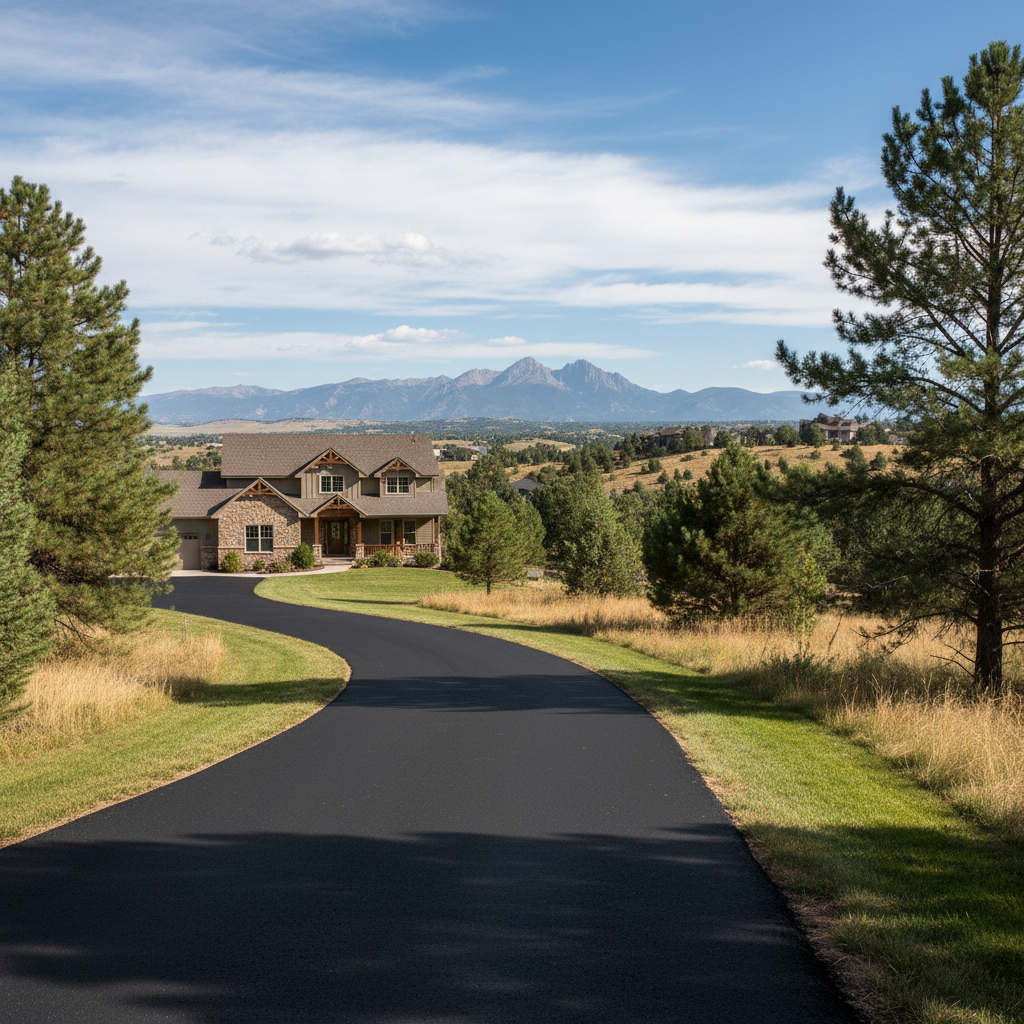
So, you're ready to tackle that asphalt paving project at your place. Maybe your old driveway is cracked beyond repair, or you're finally putting in that extra parking pad you've always wanted. Whatever it is, getting a new asphalt surface is a big deal, and you want it done right. As a local contractor, I've seen a lot of projects, good and bad, and I want to help you make yours a good one.
Understanding Your Project Timeline
First off, let's talk about timing. This isn't a weekend DIY job, and it's not something that happens overnight. From your first call to the final sweep, a paving project has several stages. Generally, you're looking at a few weeks to a couple of months from initial contact to completion, depending on the season and the contractor's schedule.
- Initial Contact & Consultation: You call us, we set up a time to come out. We'll look at your property, discuss your needs, and measure everything up. This usually happens within a week or two of your call.
- Estimate & Proposal: We'll put together a detailed estimate for you. This can take a few days to a week. Don't rush this part; make sure you understand everything in it.
- Scheduling: Once you approve the proposal, we'll get you on the schedule. This is where the season really matters. Spring and fall are prime paving times in Colorado, so schedules fill up fast. If you're looking to pave in May or June, you might need to book in March or April. Winter paving? Not usually a good idea here in Lafayette; the ground needs to be warm enough for proper compaction and curing.
- Project Execution: This is the actual work. For a typical residential driveway, the excavation, base prep, and paving itself might take anywhere from one to three days, depending on the size and complexity.
- Curing Time: After paving, you can't drive on it right away. We usually recommend staying off it for at least 24-48 hours, sometimes longer for heavy vehicles, especially with our intense Colorado sun.
What to Expect During the Paving Process
When the crew shows up, things are going to get busy. Here's a rundown of what usually happens:
- Demolition and Excavation: If you have an existing surface, we'll tear it out. Then, we'll excavate the area to the proper depth. This can be noisy and dusty, so be prepared. We're talking heavy equipment, folks.
- Grading and Base Preparation: This is arguably the most critical part. We'll grade the area to ensure proper drainage away from your house and foundation. Then, we'll lay down a compacted aggregate base. This base is what gives your asphalt its strength and longevity. A good base prevents future cracking and settling.
- Asphalt Application: Hot asphalt mix is trucked in and laid down with a paving machine. Rollers then compact it to the specified thickness. You'll see steam rising, and you'll definitely smell that fresh asphalt. It's a distinct smell, but it dissipates pretty quickly.
- Finishing Touches: Edges are hand-tamped, and the crew will clean up the work area. We'll make sure everything looks neat and tidy before we leave.
How to Prepare Your Property
Before the crew arrives, there are a few things you can do to make the process smoother for everyone:
- Clear the Area: Move any vehicles, boats, RVs, or trailers off the driveway and out of the work zone. This includes anything stored near the edges like trash cans, garden hoses, or planters.
- Trim Landscaping: If you have bushes, trees, or overhanging branches that are close to the paving area, trim them back. This gives the equipment room to maneuver and prevents damage to your plants or our machinery.
- Mark Sprinkler Heads/Invisible Fences: If you have an underground sprinkler system or an invisible pet fence, mark the lines clearly. Use flags or spray paint. We're careful, but it's much easier if we know exactly where those lines are.
- Arrange Parking: Plan for where you'll park your cars for a few days. Your street, a neighbor's driveway (with permission!), or a nearby public lot might be options.
- Communicate: If you have any specific concerns or requests, talk to your project manager beforehand. Don't wait until the crew is halfway done.
Key Questions to Ask Before Signing a Contract
You're making an investment, so don't be shy about asking questions. A good contractor, like us at Heritage Asphalt Co, will welcome them.
- What's the exact thickness of the asphalt and the base material you'll be using? Don't just accept a vague answer. You want specific numbers, like 4 inches of compacted aggregate base and 2 inches of compacted asphalt.
- How will you handle drainage? Especially with our clay soils here in Lafayette, proper drainage is crucial. You don't want water pooling against your house or creating ice hazards in winter.
- What's included in the price? Is excavation included? Hauling away old material? Base material? Cleanup? Make sure there are no hidden costs.
- Do you pull permits if required? For most residential driveways, you won't need one, but for larger projects or if you're changing the footprint significantly, it might be necessary.
- What kind of warranty do you offer? A reputable company will stand behind their work. Ask about the length and what it covers.
- Can I see proof of insurance and licensing? Absolutely essential. Don't work with anyone who can't provide this. You don't want to be liable if someone gets hurt on your property.
- What's your estimated start and completion date? Get a clear understanding of when they expect to begin and how long the actual paving work will take.
Taking the time to plan and ask the right questions will save you headaches down the road. A well-executed asphalt paving project adds value and curb appeal to your home, and it should last you for years. We're here to help make that happen.