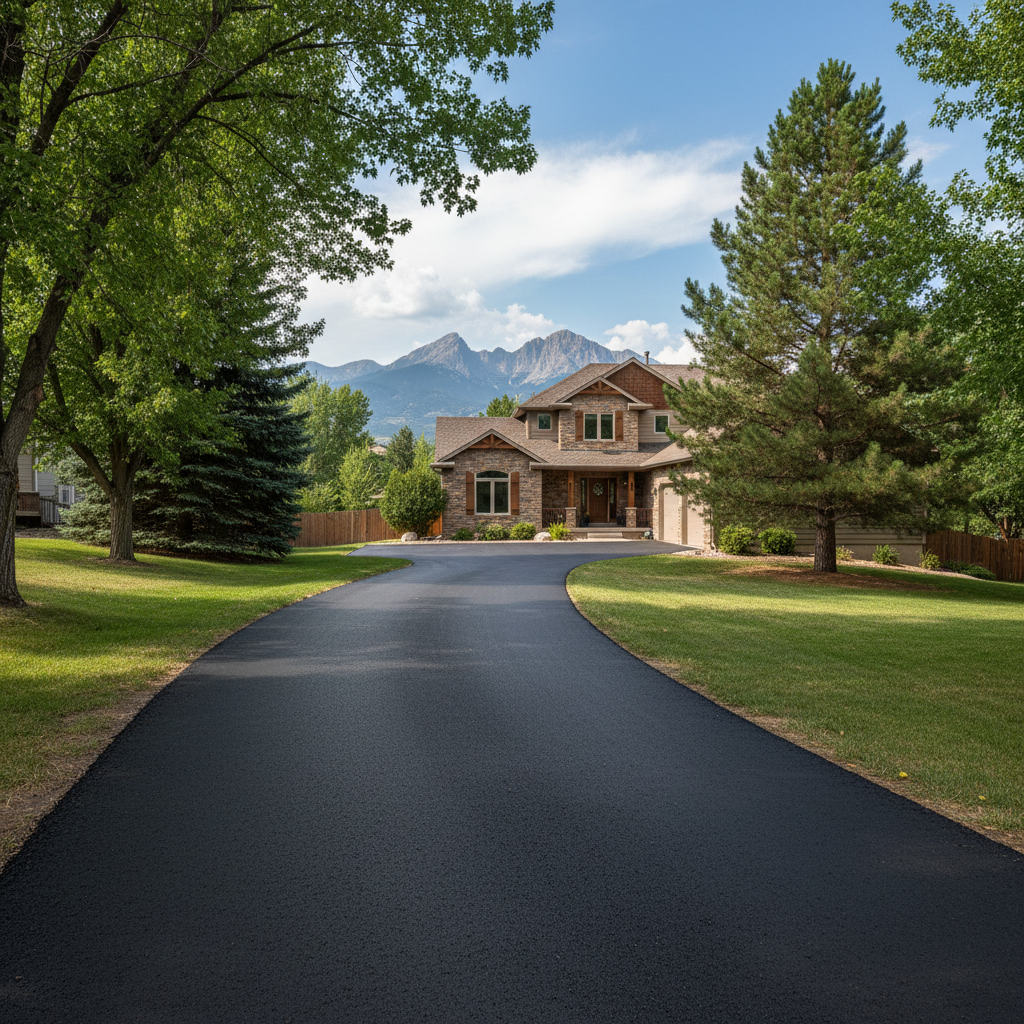
Your asphalt driveway is a big investment, right? You want it to look good and last for years, especially with the crazy weather we get here in Colorado. I've seen a lot of driveways come and go in Lafayette, and I can tell you, a little care goes a long way. It's not rocket science, but there are some things you just gotta do to keep that blacktop strong.
Extending Your Driveway's Life: The Basics
Think of your driveway like your car – it needs regular attention to perform well and stay healthy. The biggest enemy of asphalt around here isn't just heavy traffic, it's the sun, the freeze-thaw cycles, and water. Those three things will break down your asphalt faster than anything else.
- Sealcoating is your best friend: Seriously, this is probably the most important thing you can do. Sealcoating puts a protective layer over your asphalt, shielding it from UV rays, water penetration, and even oil spills. I usually recommend getting it done every 2-3 years. If you wait too long, the asphalt starts to dry out, turn gray, and get brittle. Then you're looking at cracks and potholes instead of just a fresh coat of sealant.
- Drainage, drainage, drainage: Water is a killer. If you've got puddles sitting on your driveway after a rain or snowmelt, that's a problem. Water seeps into tiny cracks, freezes, expands, and then thaws, leaving bigger cracks. Make sure your gutters are working, and if you see low spots where water collects, that might be something to address. Sometimes it's just a matter of cleaning out debris, other times it might need a small repair to level it out.
- Keep it clean: Sounds simple, but sweeping off dirt, leaves, and especially gravel or sand after winter helps a lot. Those abrasive materials can wear down the surface over time. Also, clean up oil and gas spills quickly. They'll soften and degrade the asphalt if left to sit.
Regular Maintenance: What to Look For
You don't need to be an asphalt expert to spot potential problems. Just take a walk around your driveway once a month or so, especially after big storms or temperature swings. You're looking for changes.
- Cracks: Any cracks are a sign that water can get in. Small, hairline cracks can often be filled with a good quality crack filler. Don't ignore them, because they will get bigger.
- Potholes: These are basically advanced cracks where the asphalt has completely broken away. Potholes need to be repaired promptly, not just for the health of your driveway, but for your car's suspension and anyone walking on it.
- Fading and graying: If your asphalt is losing its deep black color and starting to look dull or gray, that's a clear sign it's drying out and needs sealcoating. The binders in the asphalt are deteriorating, making it more brittle.
- Loose aggregate: Seeing a lot of small stones or gravel coming loose from the surface? That means the asphalt binder is failing, and the surface is starting to disintegrate. This is often a precursor to more serious issues.
- Edge deterioration: The edges of your driveway are often the weakest points, especially if they're not supported by a curb or adjacent lawn. If they're crumbling, it's letting water get under the pavement.
When to Call a Pro
Look, I'm all for DIY, but some things are best left to the folks with the right equipment and experience. You'll save yourself headaches and potentially more money in the long run.
- Extensive cracking or alligator cracking: If your driveway looks like an alligator's back, with a network of interconnected cracks, that's a sign of significant structural failure. Crack filling won't cut it here. You're probably looking at needing a section removed and replaced, or even a full overlay.
- Large potholes or multiple potholes: While you can patch small ones, if you've got several big potholes, it's time for a professional assessment. They can figure out why they're forming and fix them properly to prevent recurrence.
- Significant drainage issues: If water is consistently pooling in large areas or running off your driveway in ways that cause erosion, a pro can help identify the cause and suggest solutions, whether it's regrading or installing a drain.
- Asphalt crumbling or raveling: If large areas of your driveway are breaking apart and losing aggregate, it's beyond a simple fix. This usually points to a base issue or severe aging that requires more than just a surface treatment.
- It's been more than 3-4 years since your last sealcoat: If you've neglected sealcoating for a while, it's a good idea to have someone like us at Heritage Asphalt Co take a look. We can assess the condition and recommend the best course of action, whether it's a simple sealcoat or something more involved.
Our climate here in Lafayette is tough on everything, including asphalt. Between the intense summer sun, the sudden hailstorms, and those brutal freeze-thaw cycles that really hit us hard in neighborhoods like Coal Creek Village, your driveway takes a beating. Staying on top of maintenance isn't just about making it look nice; it's about protecting your investment and making sure it holds up against everything Mother Nature throws at it. A little proactive care now can save you a lot of money and hassle down the road.