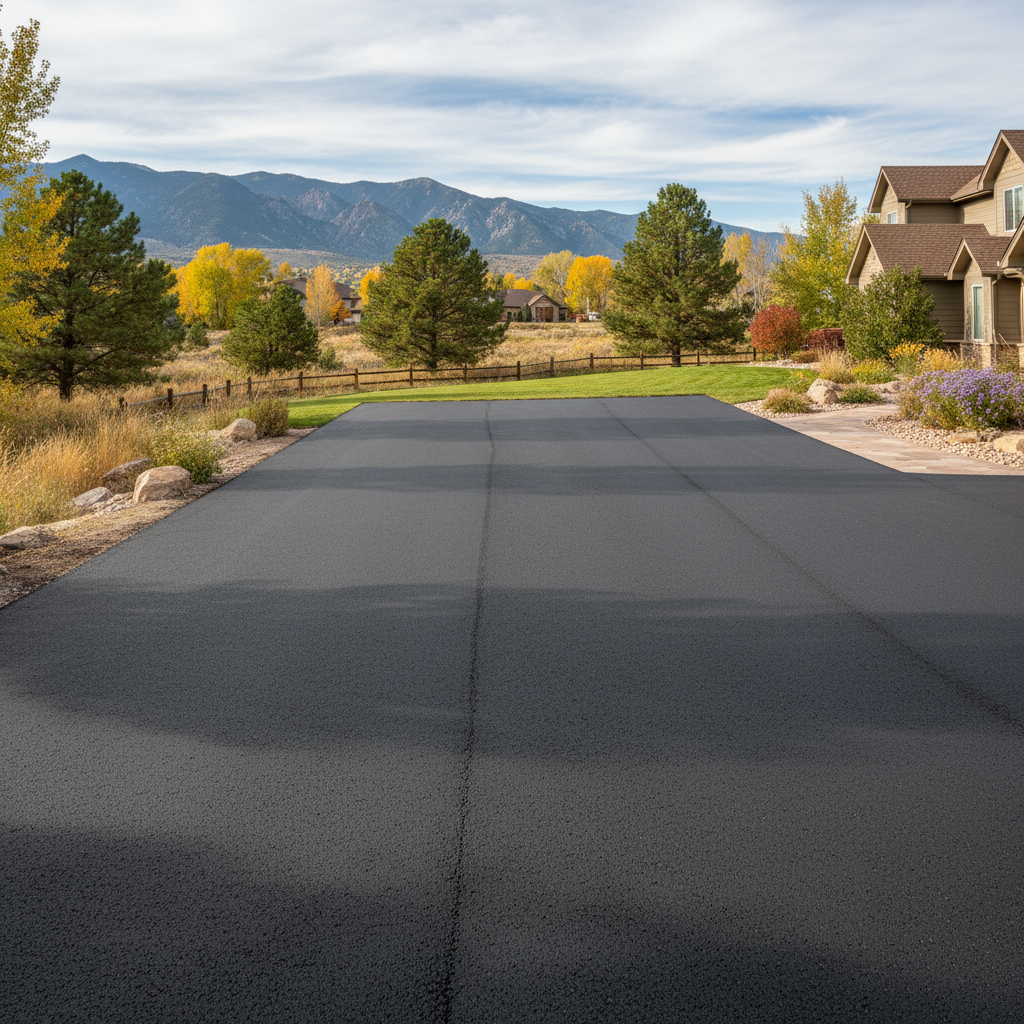
When's the best time to pave a parking lot here in Lafayette? That's a question I get a lot, and it's not as simple as picking a sunny day. Our Colorado climate, with its wild temperature swings and intense sun, really dictates when you should schedule asphalt work if you want it to last.
Understanding Colorado's Paving Seasons
You can't just lay asphalt whenever you feel like it. The material needs specific conditions to cure properly and bond right. If you try to pave when it's too cold, the asphalt cools too fast, doesn't compact well, and you end up with a weak surface that'll crack and crumble way too soon. Too hot, and it can be difficult to work with, leading to other issues. Here's the general breakdown for us:
- Spring (Late March - Early June): This is often a sweet spot. The ground has thawed out completely, and we're usually getting consistent daytime temperatures that are warm enough for the asphalt to be laid and compacted effectively. Nights can still dip, but as long as the ground is warm and the daytime highs are consistently above 50°F, we're good. It's a busy time, so if you're thinking spring, you'll want to get on the schedule early.
- Summer (June - August): Prime paving season. Long, warm days mean ideal conditions for asphalt installation and curing. The heat helps the asphalt stay pliable during placement and compaction, leading to a denser, more durable surface. The main thing we watch out for is afternoon thunderstorms, which can pop up quickly and halt work. But generally, summer is when we get a lot done.
- Fall (September - Early November): Another excellent window. The ground is still warm from summer, and while days get shorter, we often have stable, mild weather. We typically aim to finish paving projects before the consistent overnight freezes start. Once the ground starts freezing and thawing regularly, it's a no-go for new asphalt.
- Winter (Mid-November - Mid-March): Forget about it for major paving. The temperatures are too low, and the ground is often frozen. Trying to pave in winter is a recipe for disaster and a waste of your money. We might do small patch jobs in a pinch if the weather gives us a brief warm spell, but for a whole parking lot, absolutely not.
Weather Conditions That Affect Paving
Beyond just the season, specific weather conditions play a huge role. We're always checking the forecast for a few things:
- Temperature: I mentioned this, but it's critical. We need consistent temperatures, usually above 50°F, for the asphalt to be workable and to cure correctly.
- Moisture: You can't pave on wet subgrade. If it's been raining a lot, or if there's standing water, we have to wait for it to dry out. Asphalt and water don't mix during installation. Even a light drizzle can cause issues with the bond.
- Wind: High winds can cool the asphalt too quickly, making it harder to compact properly. It's not usually a deal-breaker, but it's something we factor in.
Here in Lafayette, especially in areas like Old Town with its older infrastructure, we often deal with clay soils that can hold moisture. This means after a big rain, we might need an extra day or two for the ground to dry out properly before we can even think about laying down your base layer.
Protecting Your Parking Lot Year-Round
Once your new parking lot is down, your job isn't over. You've made a significant investment, and you want it to last. Here's how to protect it:
- Sealcoating: This is your first line of defense against the sun's UV rays, oil spills, and water penetration. I usually recommend waiting 6-12 months after new asphalt is laid before the first sealcoat to allow for proper curing, then every 2-3 years after that. It makes a huge difference in extending the life of your pavement.
- Crack Sealing: As soon as you see a crack, get it filled. Water is asphalt's worst enemy. When water gets into cracks, especially with our freeze-thaw cycles, it expands, turning small cracks into big potholes. Don't let it get to that point.
- Drainage: Make sure your drainage is working right. Standing water on your lot will degrade the asphalt much faster. If you've got puddles that linger, you've got a problem.
- Regular Cleaning: Keep it free of debris, oil, and chemicals. These can break down the asphalt binder over time.
- Snow Removal: Be careful with plows. Make sure your snow removal company knows to lift their blades slightly to avoid scraping and damaging the asphalt surface. Sand and de-icers are fine, but excessive salt can be harsh over many years.
Planning your parking lot project around our local weather isn't just about convenience; it's about getting the most out of your money and ensuring your asphalt lasts as long as it should. We've been doing this for a long time at Heritage Asphalt Co, and we know what works and what doesn't in this climate. Give us a call when you're ready to talk about your project, and we'll help you pick the perfect time.