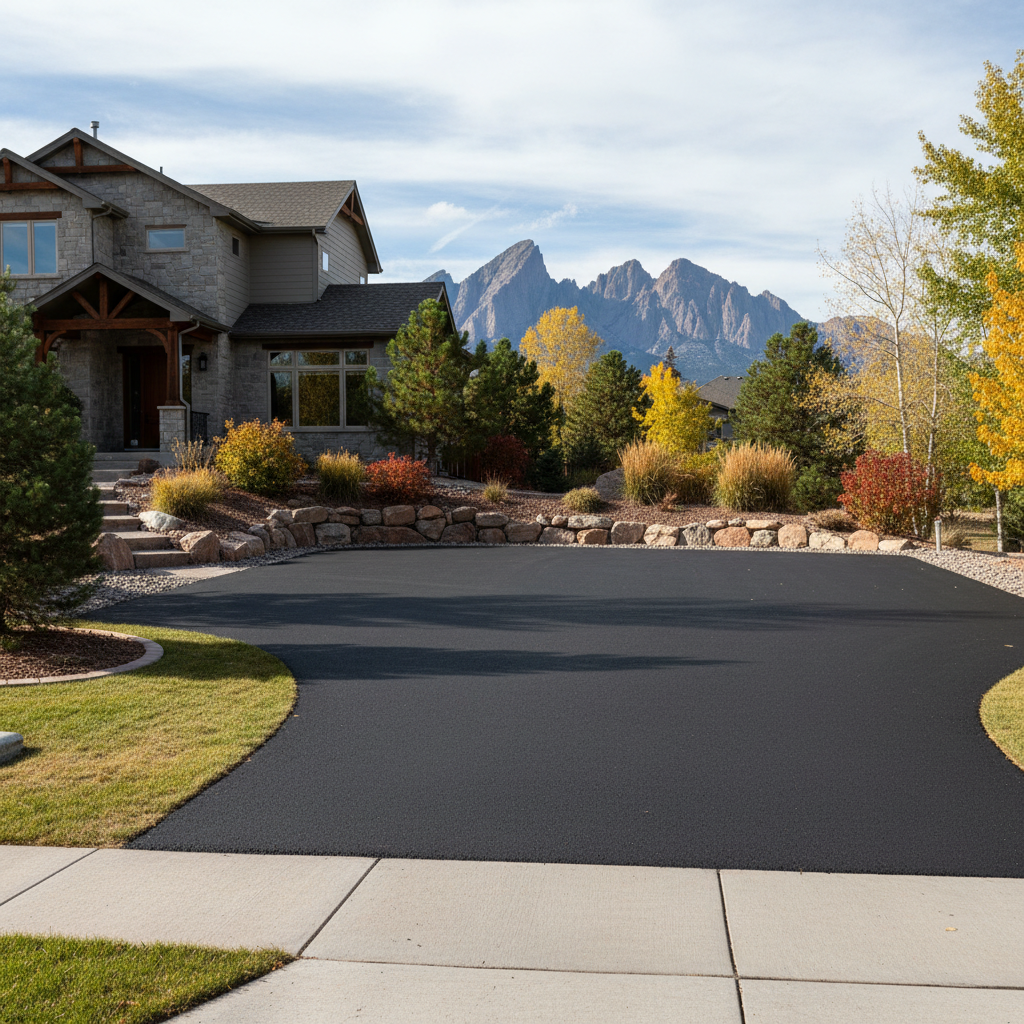
So, you're thinking about getting a new parking lot paved for your home here in Lafayette. Maybe it's for a larger property, a home-based business, or you've just got a big family with a lot of cars. Whatever the reason, it's a significant project, and you want it done right. I've seen a lot of these jobs over the years, and the ones that go smoothly always start with good planning. Let's break down what you need to know.
Understanding the Project Timeline
People often underestimate how long a paving project can take, from start to finish. It's not just about the days the crew is on site. Here's a realistic breakdown:
- Initial Contact & Site Visit: This is usually pretty quick, maybe a few days to a week after you call. A good contractor, like us at Heritage Asphalt Co., will come out, look at your property, and discuss your needs. We're checking things like drainage, existing surface conditions, and access.
- Proposal & Quote: After the site visit, it takes a little time to put together a detailed proposal. Depending on the complexity and how busy the contractor is, this could be anywhere from a few days to two weeks. Don't rush this part; you want a clear, comprehensive quote.
- Contract Review & Signing: Take your time reading the contract. Ask questions. Once you're comfortable, sign it. This might take you a few days.
- Scheduling the Work: This is where things can vary a lot based on the season and the contractor's current workload. In peak season (late spring, summer, early fall), you might be looking at a wait of several weeks, sometimes even a month or two, before the crew can start. We're all trying to beat the winter chill and the spring thaw cycles we get here in Colorado.
- Actual Paving Days: The physical work itself depends entirely on the size and complexity of your parking lot. A small residential parking area might be a day or two for prep and paving. A larger one with extensive grading or base work could take a week or more.
- Curing Time: Once the asphalt is down, it needs time to cure. You can't drive on it immediately. This usually means staying off it for at least 24-72 hours, sometimes longer depending on the weather and the mix used.
So, from your first call to driving on your new lot, you're realistically looking at a timeframe of anywhere from 4 weeks to 3 months, especially if you're scheduling during our busy seasons.
What to Expect During the Paving Process
When the crew finally shows up, here's a general idea of what's going to happen:
- Demolition & Excavation: If you have an existing surface that's shot, we'll tear it out. This involves heavy machinery, so expect some noise and dust. We'll also excavate the area to the proper depth for the new base.
- Grading & Base Preparation: This is crucial. We'll grade the area to ensure proper water drainage away from your home or other structures. Then, we lay down and compact a strong aggregate base. A good base is the backbone of a durable parking lot, especially with our expansive clay soils around Lafayette that can cause issues if not properly managed.
- Asphalt Paving: This is the exciting part! Hot asphalt is delivered, spread by a paving machine, and then compacted with rollers. It's hot, it smells, and it's a hive of activity.
- Compaction & Finishing: Rollers will make multiple passes to achieve the right density and a smooth finish. Edges will be hand-tamped and sealed.
- Cleanup: Once the paving is done, the crew will clean up the site, removing debris and equipment.
Throughout this whole process, there will be noise, machinery, and people working. It's a construction site, so keep kids and pets away from the work area for their safety.
How to Prepare Your Property
You can do a few things to make the process smoother for everyone:
- Clear the Area: Remove any vehicles, trailers, landscaping pots, or anything else from the area where the work will be done. This includes any temporary structures or storage.
- Mark Sprinkler Heads & Utilities: If you have underground sprinkler heads, invisible dog fences, or other buried lines that aren't marked, point them out to the contractor during the initial walkthrough. Better yet, mark them clearly with flags.
- Inform Neighbors: Give your neighbors a heads-up about the upcoming work. There will be noise, dust, and possibly some temporary access restrictions. A little courtesy goes a long way.
- Plan for Access: You won't be able to use your parking area for a few days. Plan alternate parking for your vehicles and let anyone who regularly visits know about the disruption.
- Secure Pets & Children: As I mentioned, it's a construction zone. Make sure pets are safely indoors or in a secure, distant yard, and keep children well away from the equipment and work.
Key Questions to Ask Before Signing a Contract
Don't be shy. This is your investment. Here are some questions I'd want to know if I were in your shoes:
- What's included in the price? Get a detailed breakdown. Does it include excavation, base material, asphalt, compaction, and cleanup? Are there any hidden fees?
- What's your payment schedule? Most contractors will require a deposit, then progress payments, and a final payment upon completion. Make sure you understand the terms.
- What kind of warranty do you offer? A reputable contractor will stand behind their work. Ask about the warranty period for materials and labor.
- How do you handle drainage? This is huge, especially with our heavy spring rains. Ask specifically how they plan to ensure proper water runoff.
- What's the thickness of the asphalt and base? Don't just accept a number; ask why that thickness is appropriate for your specific use and soil conditions.
- Are you licensed and insured? Always ask for proof of liability insurance and worker's compensation. Don't take their word for it.
- Can you provide references? Ask for contact information for a few recent clients, preferably those with similar projects.
- What's the estimated start and completion date? Get a realistic timeframe.
Taking the time to plan and ask these questions upfront will save you headaches and money down the road. A new parking lot is a big improvement to your property, and with the right approach, it'll serve you well for years to come.