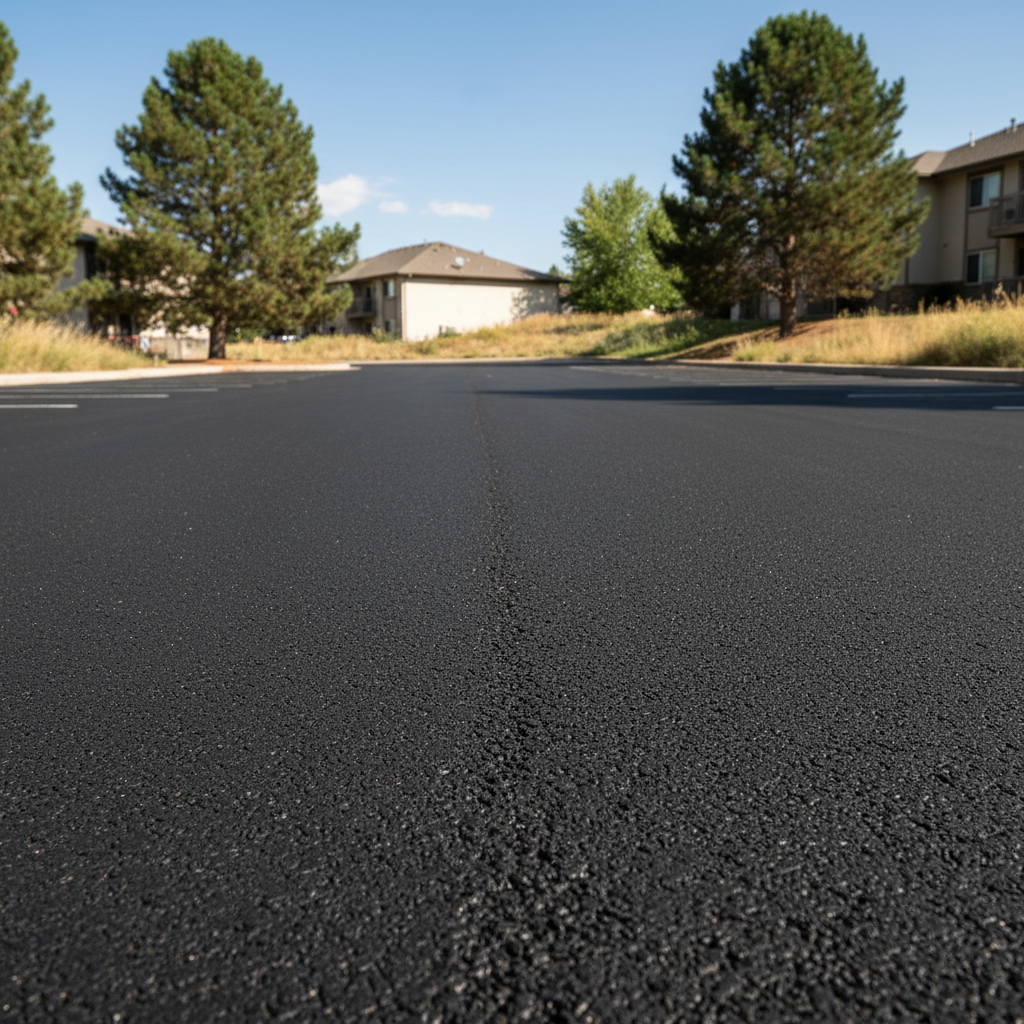
What's the difference between asphalt and concrete for a parking lot?
This is probably the first question I get, and it's a good one. Most residential parking lots you see around Lafayette, like for townhomes or smaller HOA communities, are asphalt. Why? It's usually cheaper to install upfront, and it's more flexible. That flexibility is a big deal here in Colorado with our freeze-thaw cycles. Concrete is rigid, so it's more prone to cracking with ground movement and temperature changes. Asphalt can flex a bit, which helps it hold up better against our crazy weather. Concrete does last longer if it's installed perfectly and maintained, but it's a much higher initial cost and repairs can be more complex. For most homeowners associations or multi-family properties, asphalt is the practical choice.
How long does a new asphalt parking lot typically last?
You can expect a well-installed asphalt parking lot to last anywhere from 15 to 25 years. That's a pretty big range, I know, but it really depends on a few things. How heavy is the traffic? Is it just cars, or do you have bigger delivery trucks coming through? What kind of maintenance are you doing? If you're on top of sealcoating every few years and getting cracks filled promptly, you'll push that lifespan closer to the 25-year mark. Neglect it, and you'll be looking at major repairs or even replacement much sooner. Think of it like your car; regular oil changes and tune-ups keep it running longer.
What factors affect the cost of a parking lot paving project?
Alright, let's talk money. The cost isn't just about the square footage, though that's a big part of it. Here's what else we look at:
- Existing Conditions: Are we tearing out an old, crumbling lot, or is it a fresh new build on stable ground? Demolition and hauling away old material adds to the cost. If the sub-base isn't solid, we'll need to stabilize or replace it, and that's extra work.
- Thickness of Asphalt: A lot that only sees light car traffic doesn't need to be as thick as one that gets heavy truck deliveries. Thicker asphalt means more material and more labor.
- Drainage: Proper drainage is crucial. If water sits on your lot, it's going to break down the asphalt fast. We might need to install drains, create specific slopes, or adjust grading, which all factor into the price.
- Accessibility and Site Prep: Is it easy for our heavy equipment to get in and out? Are there a lot of trees or obstacles to work around? Sometimes we have to deal with utility lines too.
- Striping and Signage: Don't forget the finishing touches! Line striping, handicap symbols, and any necessary signage are part of the overall project.
It's why I can't just give you a per-square-foot price over the phone without seeing the site. Every job is unique.
Do I need a permit to pave a new parking lot or repave an existing one?
For sure, you probably will. In Lafayette, any significant outdoor construction, especially something that changes drainage patterns or impervious surface area, usually requires a permit from the city. This isn't just a formality; it ensures your project meets local codes for things like stormwater management, accessibility (ADA compliance), and zoning. For example, if you're adding a new parking lot where there wasn't one, or significantly expanding an existing one, you'll definitely need to go through the planning department. Even for a full repave, depending on the scope, you might need one, especially if you're changing grades or drainage. Heritage Asphalt Co. can help you understand the requirements and navigate that process; it's part of what we do.
What's the best way to maintain my asphalt parking lot?
Maintenance is key to getting those 20+ years out of your lot. It's not a set-it-and-forget-it kind of thing. Here's what I always tell folks:
- Sealcoating: This is your asphalt's sunscreen and protective layer. I recommend sealcoating every 2-4 years, depending on traffic and sun exposure. It protects against UV rays, water penetration, and spills.
- Crack Filling: As soon as you see cracks, get 'em filled. Water is asphalt's worst enemy. It gets into cracks, freezes, expands, and then you've got potholes. Catching them early is way cheaper than fixing a pothole.
- Pothole Repair: If you do get potholes, get them fixed quickly. They're not just an eyesore; they're a tripping hazard and can damage vehicles.
- Sweeping and Cleaning: Keep debris, dirt, and gravel off the surface. These can abrade the asphalt and clog drains.
- Drainage Checks: Make sure your drains are clear and water isn't pooling anywhere.
A little proactive maintenance goes a long, long way in saving you big money down the road.
How long after paving can vehicles drive on the new asphalt?
This is important. For a brand-new asphalt parking lot, you generally want to wait at least 24-48 hours before allowing regular vehicle traffic. The asphalt needs time to cool down and cure properly. If you drive on it too soon, especially with heavy vehicles or during hot weather, you can cause ruts, tire marks, or even damage the surface. We'll always give you specific instructions based on the weather conditions and the type of asphalt mix we used. It's tempting to use it right away, but patience here really pays off for the longevity of your new pavement.
What should I look for in a paving contractor?
Don't just pick the cheapest bid, seriously. You want someone who:
- Is Local: They understand the specific soil conditions and weather patterns we deal with here in Lafayette. Someone from out of state might not get how our clay soils or intense sun cycles affect pavement.
- Has Experience: Look for a company with a proven track record, especially with projects similar to yours. Ask for references or to see past work.
- Is Licensed and Insured: This protects you if something goes wrong. Don't even consider working with someone who isn't properly covered.
- Provides a Detailed Bid: A good contractor will give you a clear, itemized proposal, not just a single number. You should know exactly what you're paying for.
- Communicates Well: You want someone who answers your questions, keeps you updated, and is easy to get a hold of.
- Offers a Warranty: A reputable company stands behind their work. Ask about their warranty on materials and labor.
It's a big investment, so take your time and do your homework. You'll be glad you did.