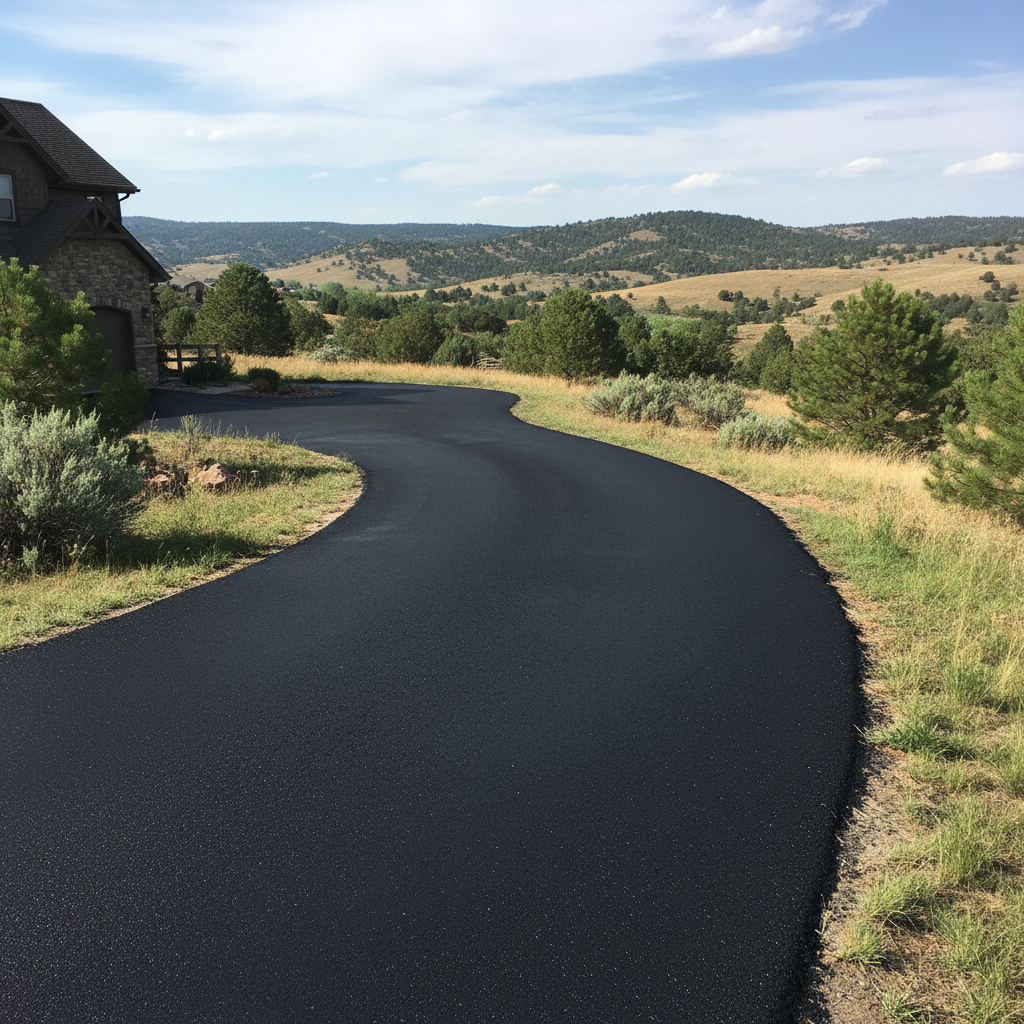
You just had your driveway or parking lot sealcoated, and it looks fantastic. That deep black finish really makes your property pop, doesn't it? But that fresh, new look isn't going to last forever on its own. Here in Lafayette, our climate throws a lot at our asphalt – from intense summer sun to freezing winters and everything in between. So, what can you do to make sure that sealcoat does its job and protects your pavement for as long as possible?
Give It Time to Cure
This is probably the most critical step, and it's one I see folks rush all the time. After we lay down a fresh coat of sealer, it needs time to properly cure. That means staying off it completely for at least 24-48 hours, sometimes longer if it's cool and humid. Think of it like fresh paint; you wouldn't touch it right away, right? Driving on it too soon, even just walking on it, can leave marks, pick up the sealer, and compromise the protective layer. It's especially important to keep heavy vehicles off it for the first few days. I know it's an inconvenience, but trust me, it's worth it for the longevity.
Regular Cleaning and Debris Removal
Once your sealcoat is fully cured, regular cleaning becomes your best friend. Loose dirt, gravel, leaves, and other debris can be abrasive. When cars drive over these things on your asphalt, they act like sandpaper, slowly wearing down that protective sealcoat. A simple sweep with a broom or a leaf blower once a week or so can make a big difference. If you've got a lot of trees around, especially those cottonwoods that drop their fluff everywhere, stay on top of it. You don't need fancy equipment; just a little consistent effort.
Watch Out for Spills
Oil, gas, antifreeze – these are asphalt's worst enemies. They're petroleum-based, just like asphalt, and they'll break down the binder in your pavement and your sealcoat if left to sit. If you see a spill, clean it up immediately. For fresh spills, kitty litter or an absorbent shop rag can work wonders. For older, dried-on stains, you might need a specialized asphalt cleaner, but be careful not to use harsh chemicals that could damage the sealcoat further. Better yet, fix that leaky vehicle! Prevention is key here.
Address Cracks and Potholes Promptly
Sealcoating is a protective layer, but it's not a miracle worker for existing damage. It can help prevent new cracks, but it won't fix old ones. If you notice new cracks forming or old ones re-opening, get them filled. Water is the biggest destroyer of asphalt here in Colorado. When water gets into cracks and then freezes, it expands, making those cracks bigger and eventually leading to potholes. That freeze-thaw cycle we get in the winter, especially in areas like the Old Town neighborhood with some older pavement, is brutal. Catching small cracks early and filling them keeps water out and prevents much more expensive repairs down the line. Heritage Asphalt Co can help you with that.
When to Call a Professional
You're doing your part with regular maintenance, but sometimes you need a pro. Here are a few signs it's time to give us a call:
- Extensive Cracking: If you're seeing a spiderweb pattern of cracks (alligator cracking) over a large area, that's a sign of significant base failure. Sealcoat won't fix this; you'll need patching or even a full overlay.
- Potholes: A pothole means the base layer has failed. Don't just ignore it; it'll only get bigger and more dangerous.
- Fading and Wear: If your sealcoat has faded significantly, looks patchy, or you can see the original asphalt aggregate showing through in high-traffic areas, it's probably time for another application. Generally, a good sealcoat lasts 2-4 years, depending on traffic and weather.
- Drainage Issues: Puddles that don't dry up after a day or two indicate low spots or poor drainage. This can lead to accelerated deterioration of your asphalt.
Taking care of your sealcoated asphalt isn't rocket science, but it does require a little attention. A small amount of effort now will save you a lot of money and headaches down the road. Keep an eye on your pavement, clean it regularly, and address any issues quickly. That's how you get the most out of your investment and keep your Lafayette property looking its best.