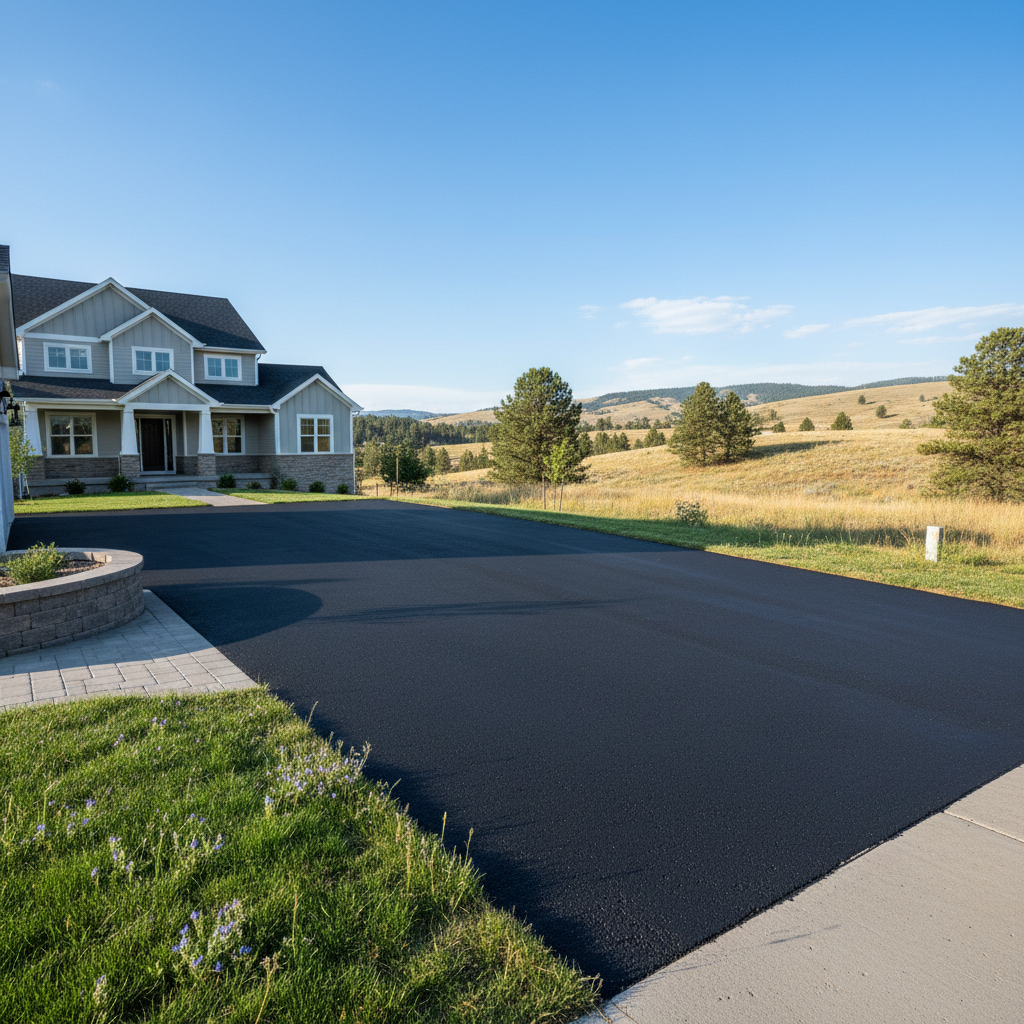
So, you've had your asphalt sealcoated. That's a smart move. Sealcoating isn't just about making your driveway or parking lot look sharp; it's a critical protective layer against the elements. But getting it done is only half the battle. If you don't take care of it, even the best sealcoat won't last as long as it should. Here in Lafayette, with our intense sun, freeze-thaw cycles, and occasional heavy snow, proper maintenance isn't just a suggestion, it's a necessity.
Extending the Life of Your Sealcoat
The first few days after sealcoating are crucial. You've got to let that stuff cure properly. I always tell folks to stay off it for at least 24-48 hours, sometimes longer if it's cooler or humid. Don't drive on it, don't walk heavy machinery on it, just let it do its thing. Once it's fully cured, you're in good shape, but the work isn't over.
One of the biggest enemies of sealcoat, especially around here, is oil and gas spills. Our sun bakes those chemicals right into the asphalt, breaking down the sealcoat and eventually the asphalt itself. If you spill something, clean it up immediately. Don't let it sit. A little kitty litter or oil absorbent can soak it up, then sweep it away. For tougher stains, a mild detergent and a stiff brush can work wonders, but be gentle – you don't want to scrub off the sealcoat itself.
Another thing that shortens the life of your sealcoat is heavy traffic and sharp turns in the same spots. If you have a commercial lot, try to encourage drivers to vary their parking spots if possible. For driveways, try not to crank your steering wheel while your car is stationary. That grinds the tires into the surface and can peel the sealcoat right off over time.
Regular Maintenance: What You Need to Do
Regular cleaning is probably the easiest thing you can do. Just sweep off dirt, leaves, and debris. This prevents organic matter from breaking down and staining the surface, and it also keeps water from pooling in spots where debris collects. A leaf blower works great for this.
You should also keep an eye on the edges of your asphalt. If grass or weeds start growing up through cracks or along the sides, pull them out. Their roots can widen existing cracks and lift the asphalt, which then compromises the sealcoat. Weeds are relentless, especially in areas like the Coal Creek Village where there's a lot of open space and opportunity for seeds to blow in.
Water management is huge. Make sure your gutters are working, and downspouts aren't dumping water directly onto your asphalt. Proper drainage is key to preventing water from seeping under the surface, freezing, and causing havoc. You don't want standing water on your sealcoat for extended periods.
Warning Signs You Shouldn't Ignore
You'll start to see some tell-tale signs when your sealcoat is nearing the end of its effective life or if there's a problem. Don't ignore these. Catching them early can save you a lot of money down the road.
- Fading: The rich black color starts to turn gray. This means the protective layer is thinning and the UV rays are getting through.
- Sand Loss: You might notice small sand particles coming off the surface. This is a sign the binder in the sealcoat is deteriorating.
- Fine Cracking (Alligator Cracking): This looks like a spiderweb of small cracks. It usually indicates that the underlying asphalt is failing, and the sealcoat can't hold it together anymore. This is a big red flag.
- Potholes or Depressions: If you see areas where water collects or actual holes forming, the structural integrity of your asphalt is compromised. The sealcoat can't fix this; it's a deeper issue.
- Oil Stains that Won't Clean: If spills are soaking in and leaving permanent dark spots, your sealcoat isn't doing its job of repelling liquids anymore.
When to Call a Professional
Look, you can do a lot of the day-to-day stuff yourself, but there are times when you absolutely need to call in the pros. If you're seeing extensive cracking, especially that alligator cracking I mentioned, you need an expert to assess the damage. Just sealing over those cracks won't solve the underlying problem, and it's a waste of money.
If you've got potholes, that's beyond a DIY fix. You need proper patching and possibly even a sub-base repair. Also, if your asphalt is showing significant wear and tear, or if it's been more than 2-3 years since your last sealcoat application, it's probably time for a fresh coat. For most residential driveways, I usually recommend sealcoating every 2-3 years, and for commercial properties with heavier traffic, it might be every 1-2 years. It really depends on the usage and condition.
At Heritage Asphalt Co, we're always happy to come out and take a look. We can give you an honest assessment of what your asphalt needs, whether it's just a fresh sealcoat or something more involved like crack filling or patching. Don't wait until a small problem turns into a major headache. A little proactive maintenance goes a long way in protecting your investment and keeping your property looking sharp.